

When I sit in my studio today, tinkering with new local AI models or soldering sensors for interactive spaces, 2010 feels infinitely far away. The tools of today—real-time generation, biosignals, machine learning—were something I could hardly dream of back then. And yet, everything I develop today as a Creative Technologist is based on a lesson I learned the hard way 16 years ago.
It is the story of 1378(km)—my pre-diploma project at the HfG Karlsruhe, which began as an interactive media artwork and ended as a global media scandal.
The Premise: A Pacifist Hack
When I developed 1378(km), I was driven by a central question in media art: How could I use rigid, digital systems to trigger genuine human morality and empathy? I took the Source engine (the framework of the first-person shooter Half-Life 2) and designed an asymmetrical serious game about the inner-German border.
The core was a conceptual hack of classic game design rules. The mechanic was simple: "If you shoot, you lose."
If a player in the role of an East German border guard used their weapon, they were immediately pulled out of the game and teleported to the year 2000 to face trial as a border shooter. It was a system that granted freedom of action but relentlessly demanded moral consequences.
_2.jpg)
The Stress Test: Between Death Threats and Police Protection
What happened next taught me more about the sheer force of interactive media than any seminar. Before the project was officially released, the BILD newspaper launched an unprecedented campaign. The game was falsely framed as a cynical "shooter."
The dynamic that subsequently erupted was toxic and frighteningly real: lawsuits from politicians, criminal investigations for incitement, and very real death threats against me. I had to cancel the release on the Day of German Unity. When I finally booted up my server in December, the university was under police protection.
In those weeks, I got to know the dark side of digital scalability. When a system—whether code or a media network—reacts uncontrollably to emotional triggers, it escalates.
The Shift: When the System is Understood
But the tide turned. On the evening of the release, my server collapsed under the massive rush of tens of thousands of simultaneous requests. Ultimately, I recorded nearly 1 million downloads worldwide. This was followed by over 800 print articles and reports on more than 400 TV channels.
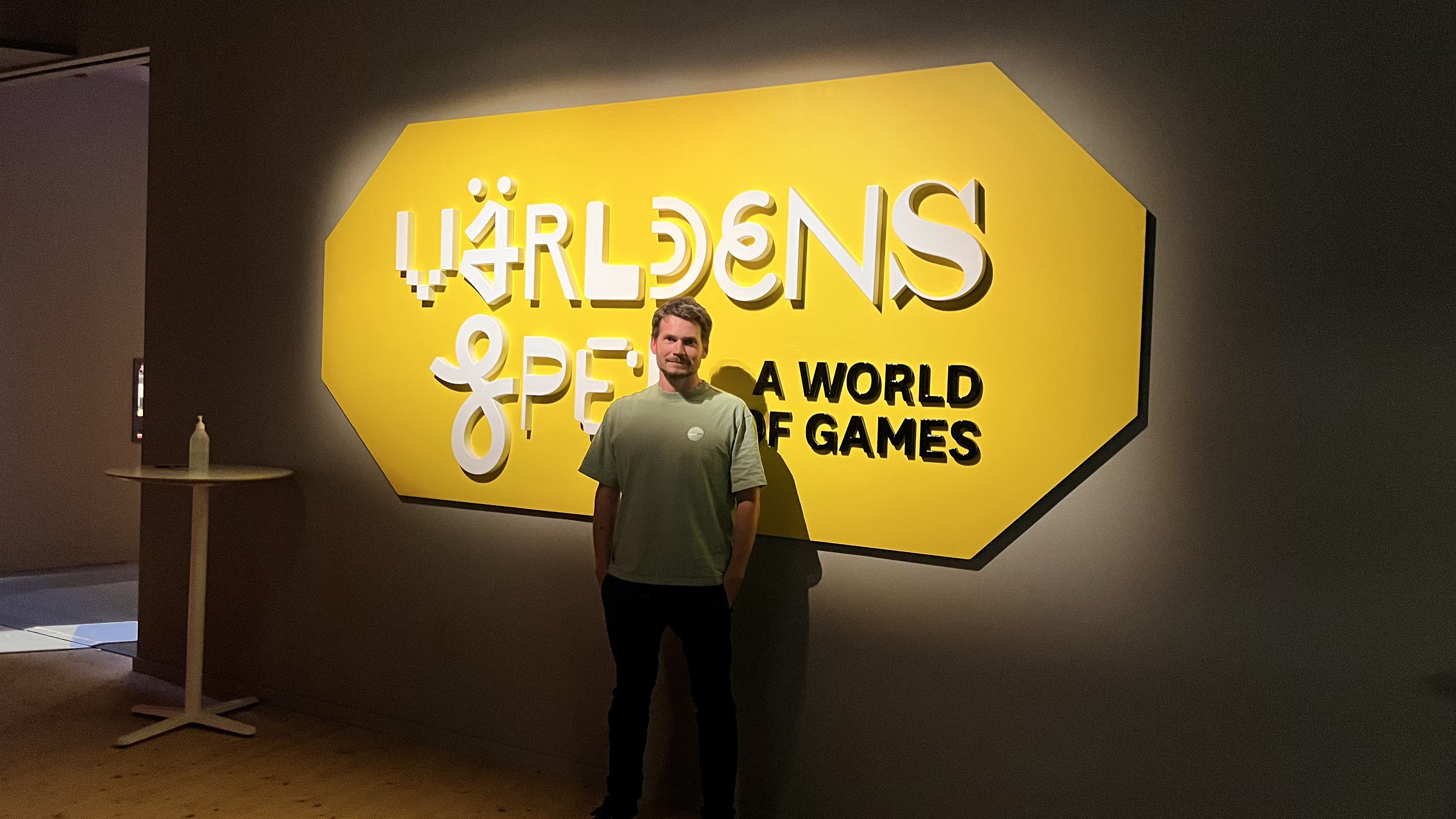
The German Press Council officially reprimanded the tabloid press for its misrepresentation, and the public prosecutor dropped all investigations against me. The true intention of the media art prevailed: 1378(km) was exhibited in renowned museums worldwide—from the ZKM in Karlsruhe and the MIT GameLab in the US to the DOX in Prague. People finally understood that it wasn't about shooting, but about the systemic experience of oppression and decision-making power.
From 2010 to Now: Hacking as a Playful Strategy
Why am I telling this today on elorx.com? Because this project was the ultimate proof of concept for my current work. It showed me that technology only truly becomes exciting when it reacts to humans in unpredictable ways.
This realization was the direct catalyst for my PhD at the GEElab of RMIT Melbourne. Under the title "Hacking as a Playful Strategy," I explored how to apply these principles of repurposing and asymmetrical interaction to hardware, experimental interfaces (like brain-computer interfaces), and new technologies.
Today, 16 years later, I no longer build mods. But the philosophy remains exactly the same. When I integrate local AI models into physical spaces, hack hardware, or design interactive ecosystems today, I use technology as a resonance chamber. My goal as a Creative Technologist is to create asymmetrical and dynamic environments that don't just entertain people, but challenge them.
1378(km) laid the foundation for that. It showed me that the most exciting code is always the one that has a direct impact on reality.