






Before discussing local AI models, hardware prototyping, and interactive spaces, it is worth looking at the foundation of my work. My roots lie in media art. I never view technology merely as a tool, but as a resonance chamber. It unfolds its true power only when it does not just reflect human behavior, but actively challenges it.
In 2010, as part of my intermediate diploma (Vordiplom) at HfG Karlsruhe, I developed 1378(km)—an interactive system for behavioral research packaged as an asymmetric serious game about the inner-German border.
The goal was to make a historical dilemma physically and emotionally tangible, moving away from rigid documentary formats. By repurposing a commercial 3D engine, I established a pacifist set of rules in digital space. The core mechanic "Who shoots, loses" forced users into a highly complex simulation where moral missteps were immediately sanctioned (teleportation into a courtroom).
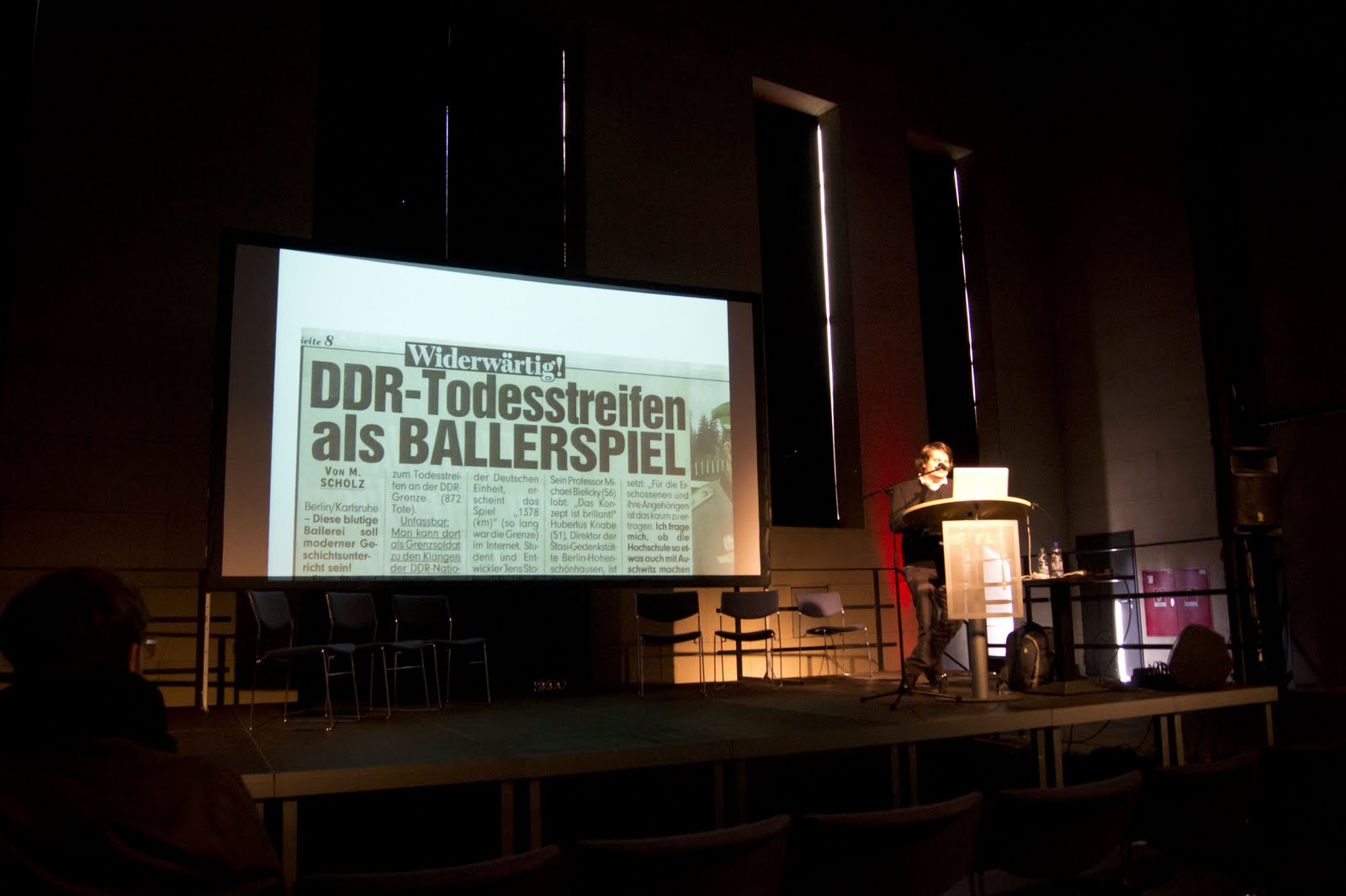
The project became an unforeseen stress test for digital reach and societal discourse. Accompanied by an unprecedented tabloid campaign, death threats, and legal disputes, 1378(km) demonstrated the disruptive power of interactive media. After the German Press Council officially reprimanded the tabloid press and all legal investigations were dropped, the true impact became clear:
1378(km) taught me that the most exciting moments occur when systems react unpredictably to humans. This realization led directly to my PhD at RMIT Melbourne on "Hacking as a Playful Strategy".
Today, I transfer these principles of media art into tangible reality. Whether I am working on hardware interfaces, integrating interactive sensors into physical spaces, or building AI agents: the goal is still to break up rigid linear logic and create living, asymmetric, and interactive environments.
Developed as a student art project by Jens M. Stober at HfG Karlsruhe, 1378(km) is an interactive serious game based on the multiplayer Source Engine (Half-Life 2). The project gained worldwide media attention by subverting traditional first-person shooter (FPS) mechanics: in this game, shooting refugees does not lead to victory—instead, who shoots, loses (wer schießt, verliert).
By inverting the genre's mechanics, the artwork triggered a nationwide debate in 2010 and highlighted a major generational conflict in media and society. While younger generations approached the game as an immersive, reflective tool to confront the moral dilemmas of recent German history, conservative media and victim groups initially misunderstood the piece as a glorification of violence.
The gameplay places players in a split-second ethical decision. Patrolling guards can choose to arrest refugees non-violently, stand aside, or defect to the West themselves. Firing a weapon terminates the active game loop, putting the player on trial in the year 2000. Reconstructed from historical blueprints of the 1976 border, the game serves as an interactive memorial rather than entertainment.
Visit the official archive site: www.1378km.de ↗
Custom C++ game logic layered over Valve's multiplayer engine client-server framework.
Constructed 3D geometry of the border control strip (Todesstreifen) matching 1976 architectural schematics.
Asynchronous, real-time multiplayer networking code balancing unarmed refugees against armed border guards.
The gameplay structures of 1378(km) subvert traditional FPS mechanics by penalizing violent actions and rewarding ethical, non-violent resolutions:
Who shoots, loses. If you play as a border guard and open fire on refugees, you are instantly disqualified, teleported into the future, and placed on trial in a courtroom in the year 2000.
The game does not force you to shoot. As a guard, you can choose to make non-violent arrests, stand aside and let refugees pass, or even throw down your gun to flee to the West yourself.
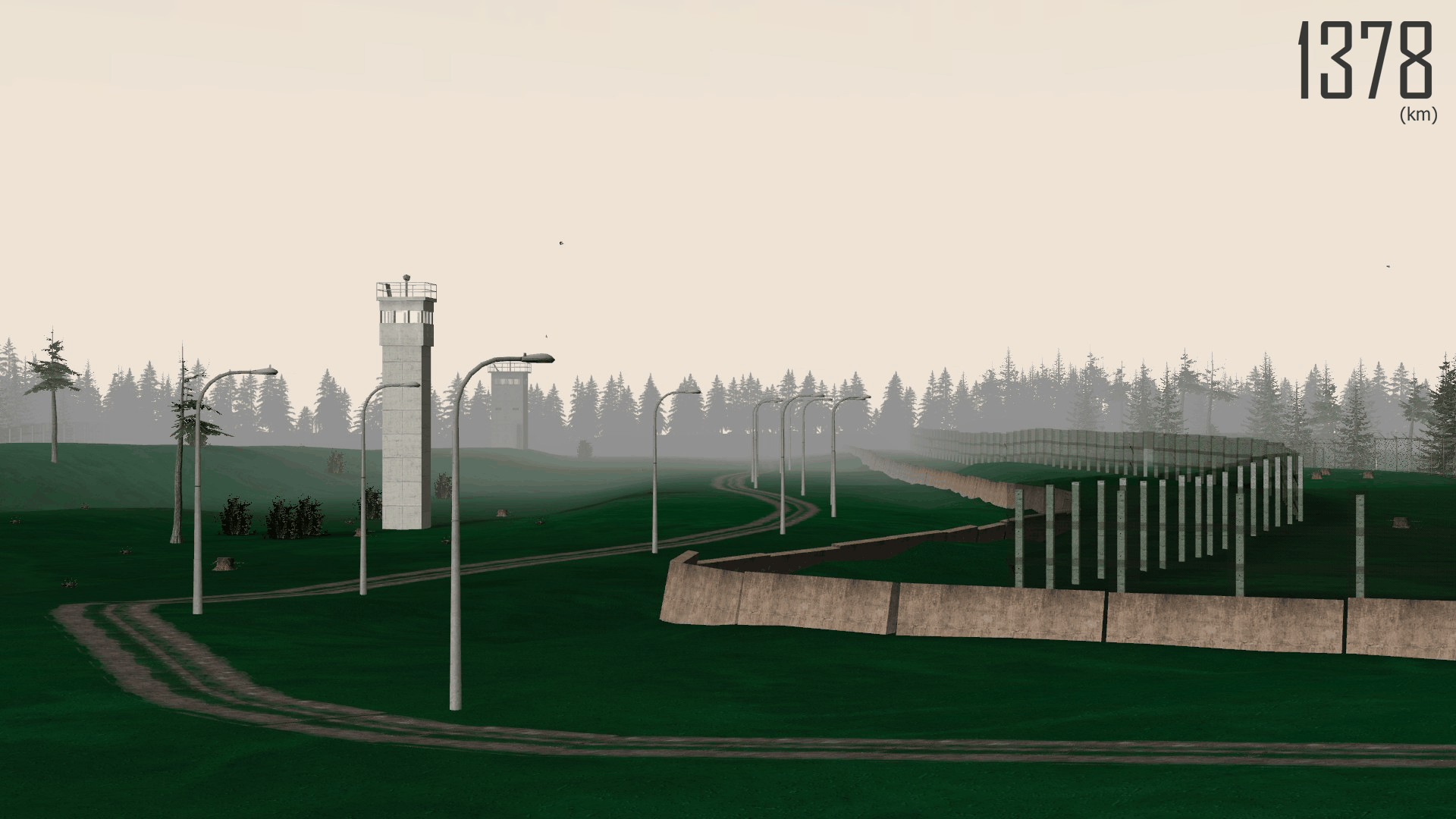
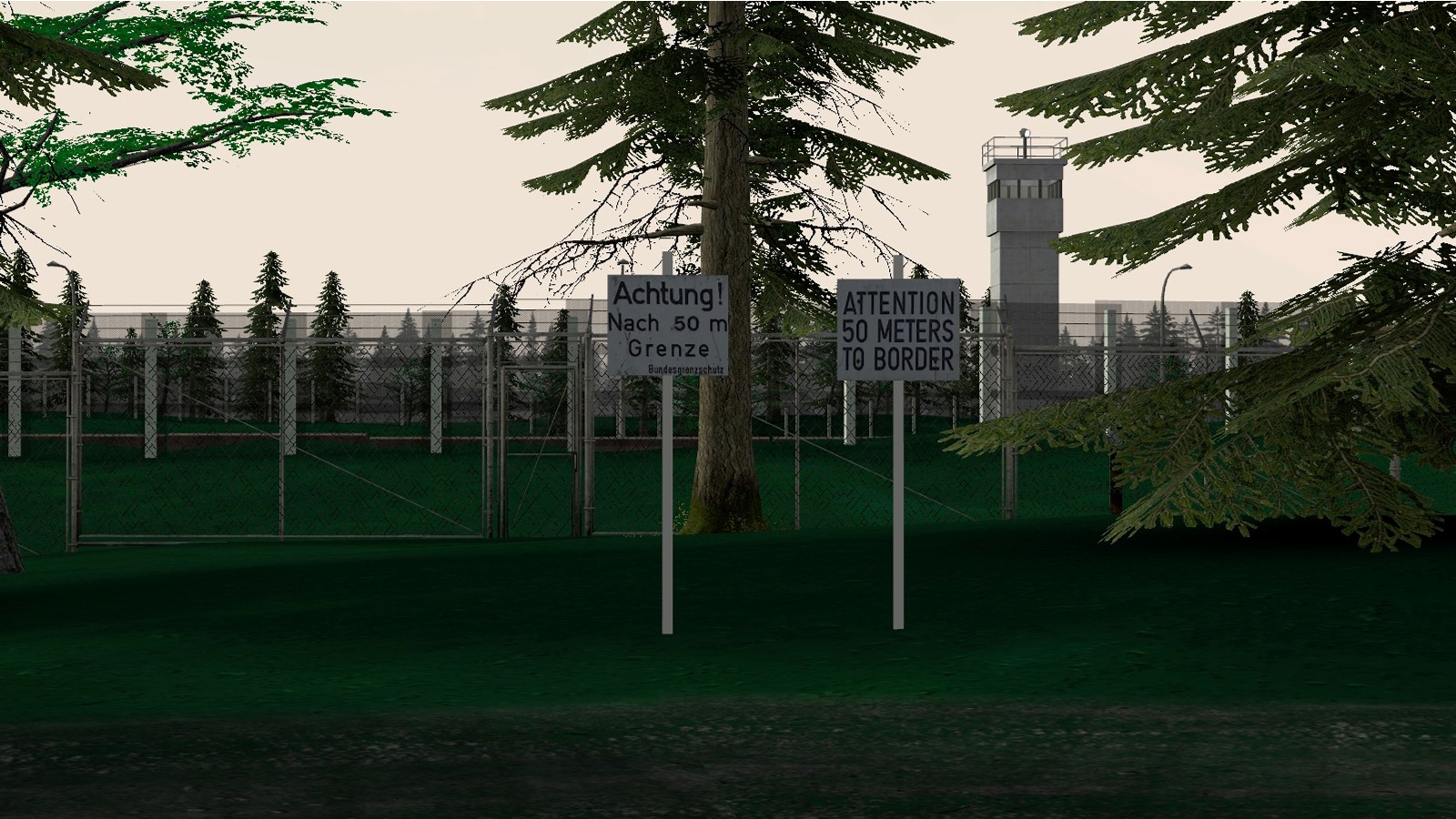
Concentric fences, watchtowers, minefields, and the rear signal walls were meticulously modeled in 3D based on historical documents to reconstruct the physical claustrophobia of 1976.
Step into the heavy boots of a patrolling NVA border guard, or attempt to cross the death strip unarmed as a refugee, navigating minefields and spring guns in round-based multiplayer matches.
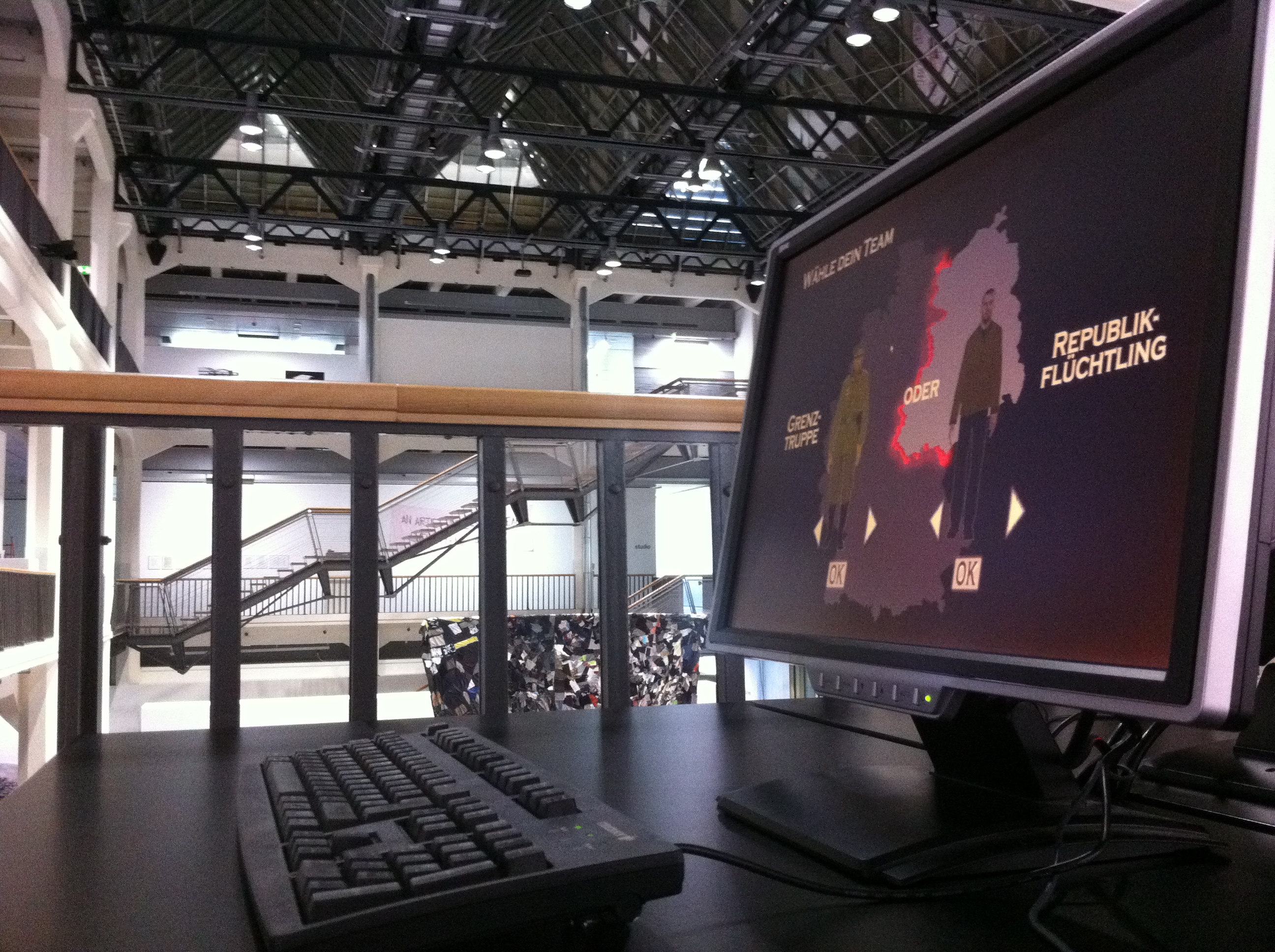
Choose to join a multiplayer match either as an unarmed East German Refugee or an armed GDR Border Guard patrolling the control strip.
Refugees attempt to slip past mines, fences, and searchlights in the dark, while guards patrol with orders to secure the sector.
Guards face a split-second moral choice: use non-violent arrest tactics, let refugees pass, open fire, or lay down weapons and flee.
Opening fire immediately ends the guard's gameplay, forcing them to sit out and witness their own historical courtroom trial in the year 2000.
The simulation places players in opposing psychological roles, each governed by asymmetrical capabilities, scoring, and moral hazards:
As a refugee, you are unarmed. Your goal is to cross the heavily fortified border strip undetected and reach West Berlin or West Germany.
As a guard, you patrol the border strip. You are under pressure from the GDR leadership's order to shoot, control watchtowers, and must make independent moral decisions.
The underlying system mechanics govern the asymmetric flow of the border crossing in real-time, enforcing historical realism and strict moral frameworks:
A round-based match supports up to 16 players, simulating the border crossing in real time. Refugees must find cover while searchlights from watchtowers scan the area.
If a guard shoots, their game stops. Teleported to a court in the year 2000, they must witness their own historical trial and are taken out of active play.
Guards earn points for non-violent arrests or defection to the West. Refugees earn points by bypassing obstacles. Firing a weapon resets a guard's score to zero.
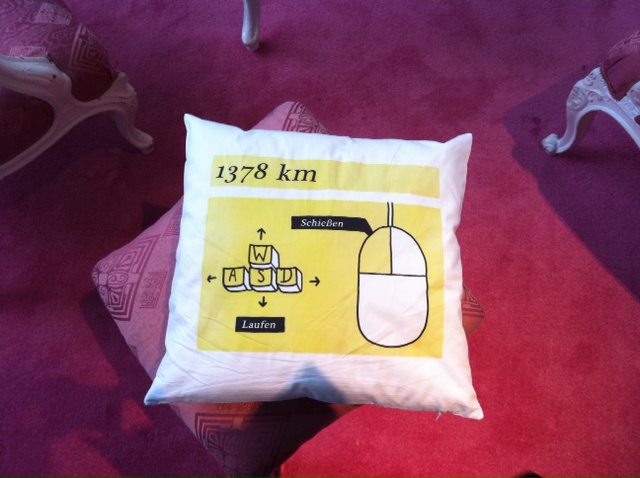
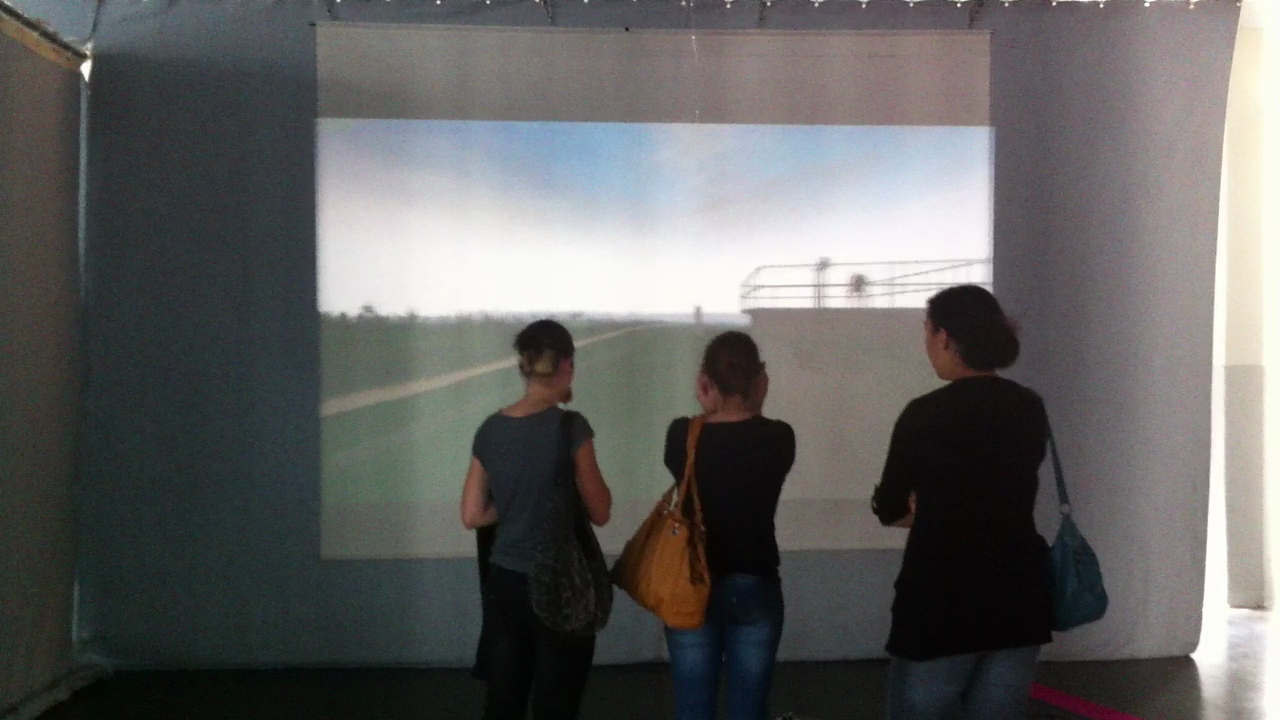
Archival records showcasing the source-engine historical level geometry, gameplay interfaces, and 3D modeling accuracy of the reconstructed inner-German border:
_2.jpg)
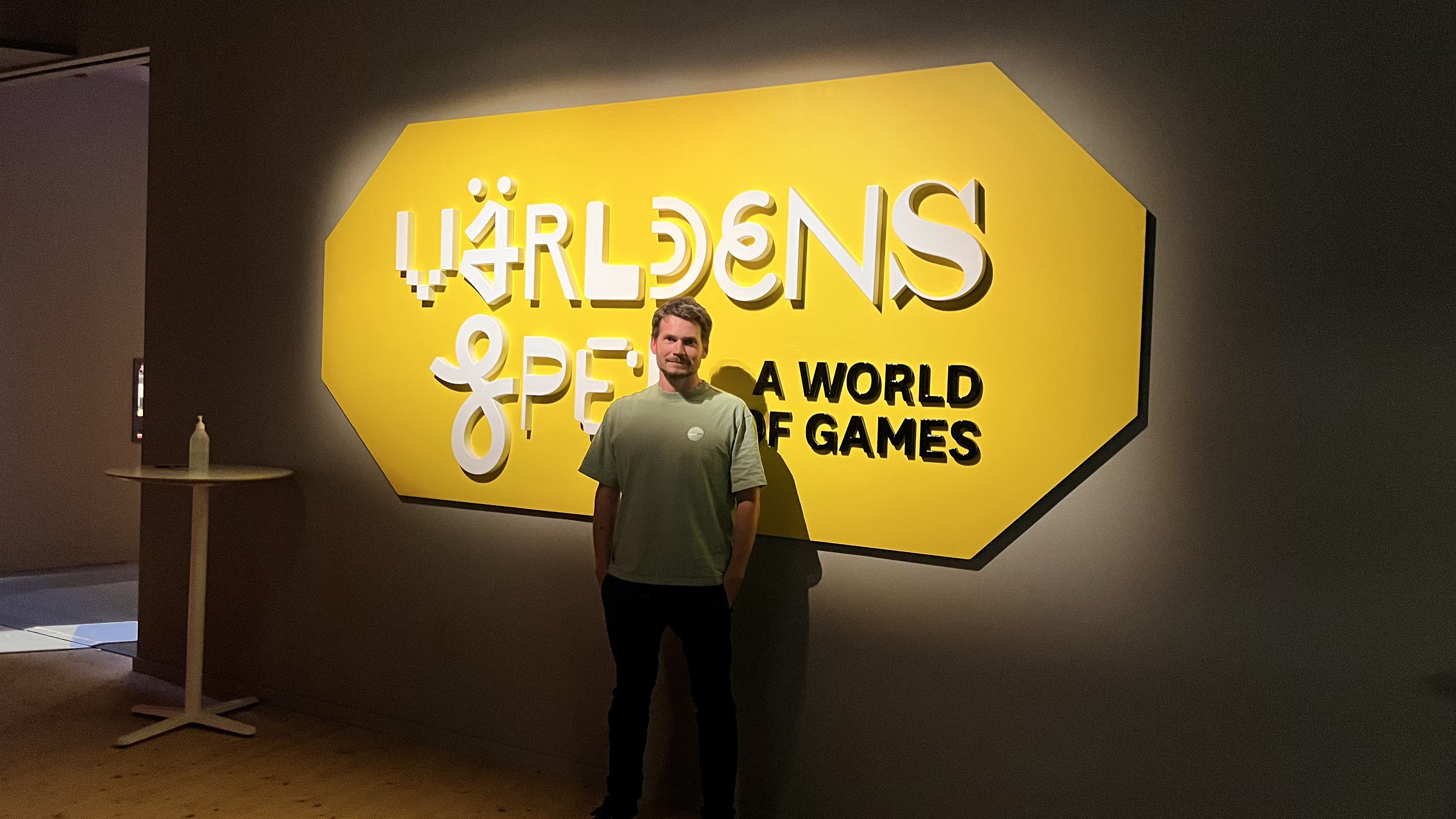
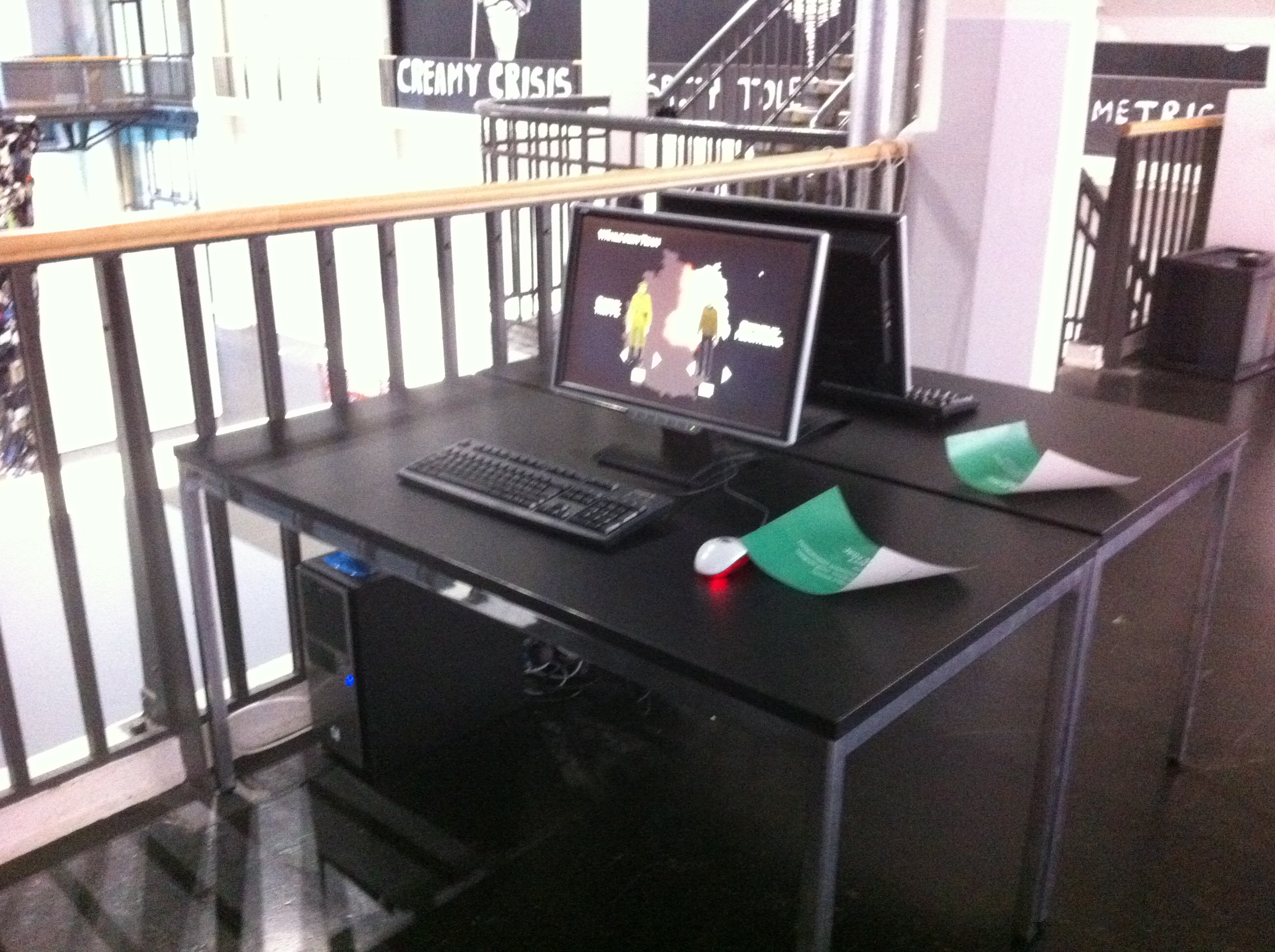
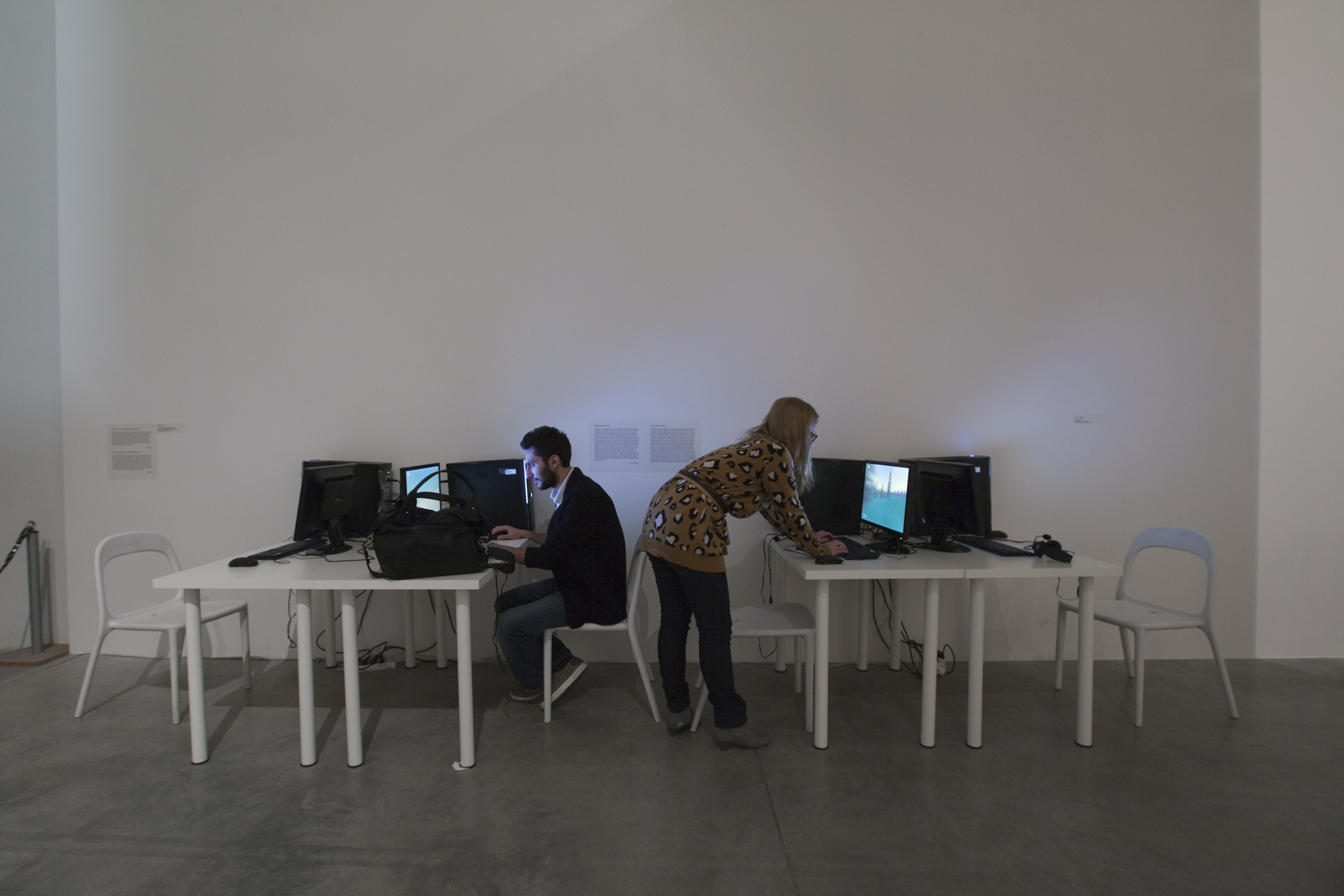
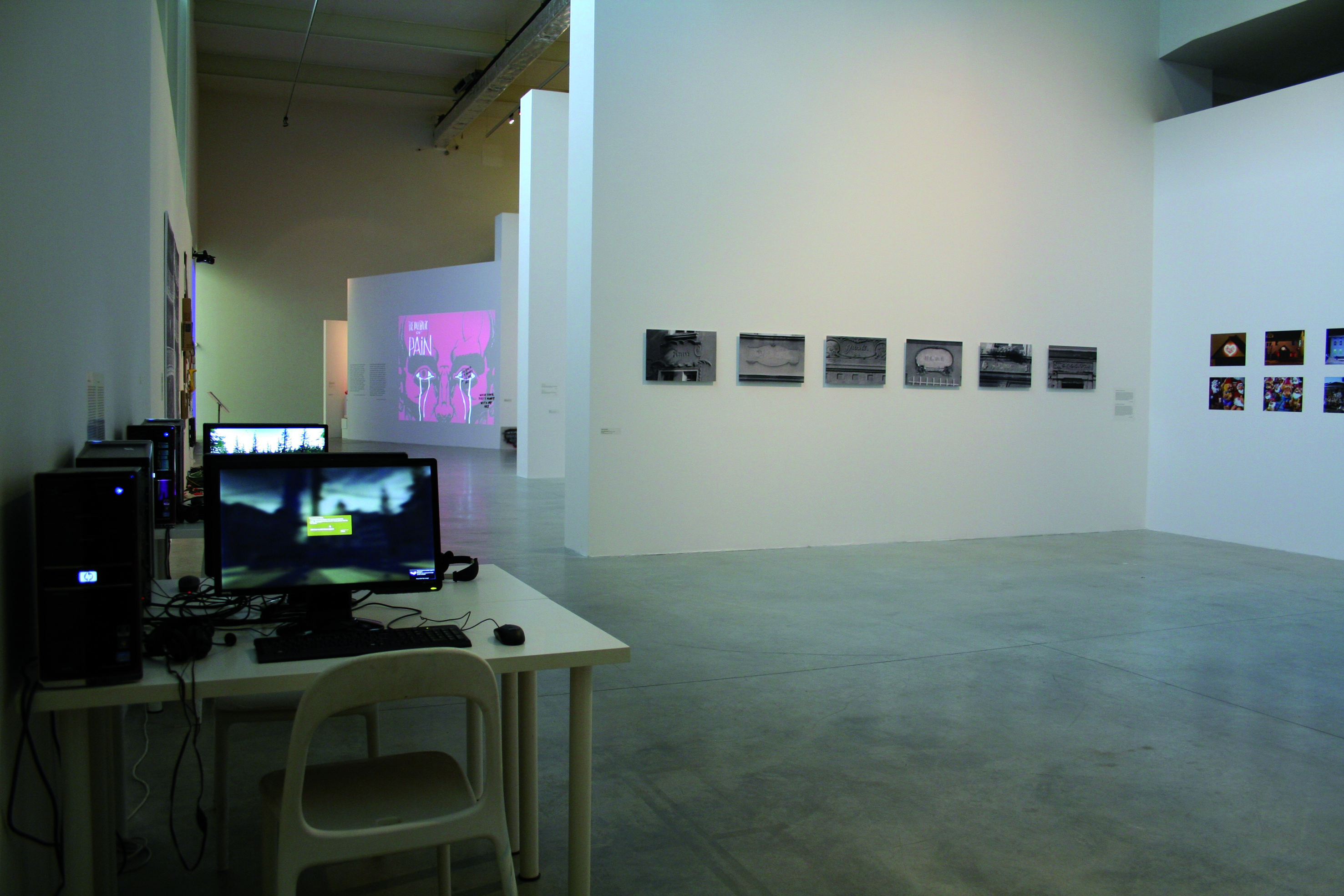
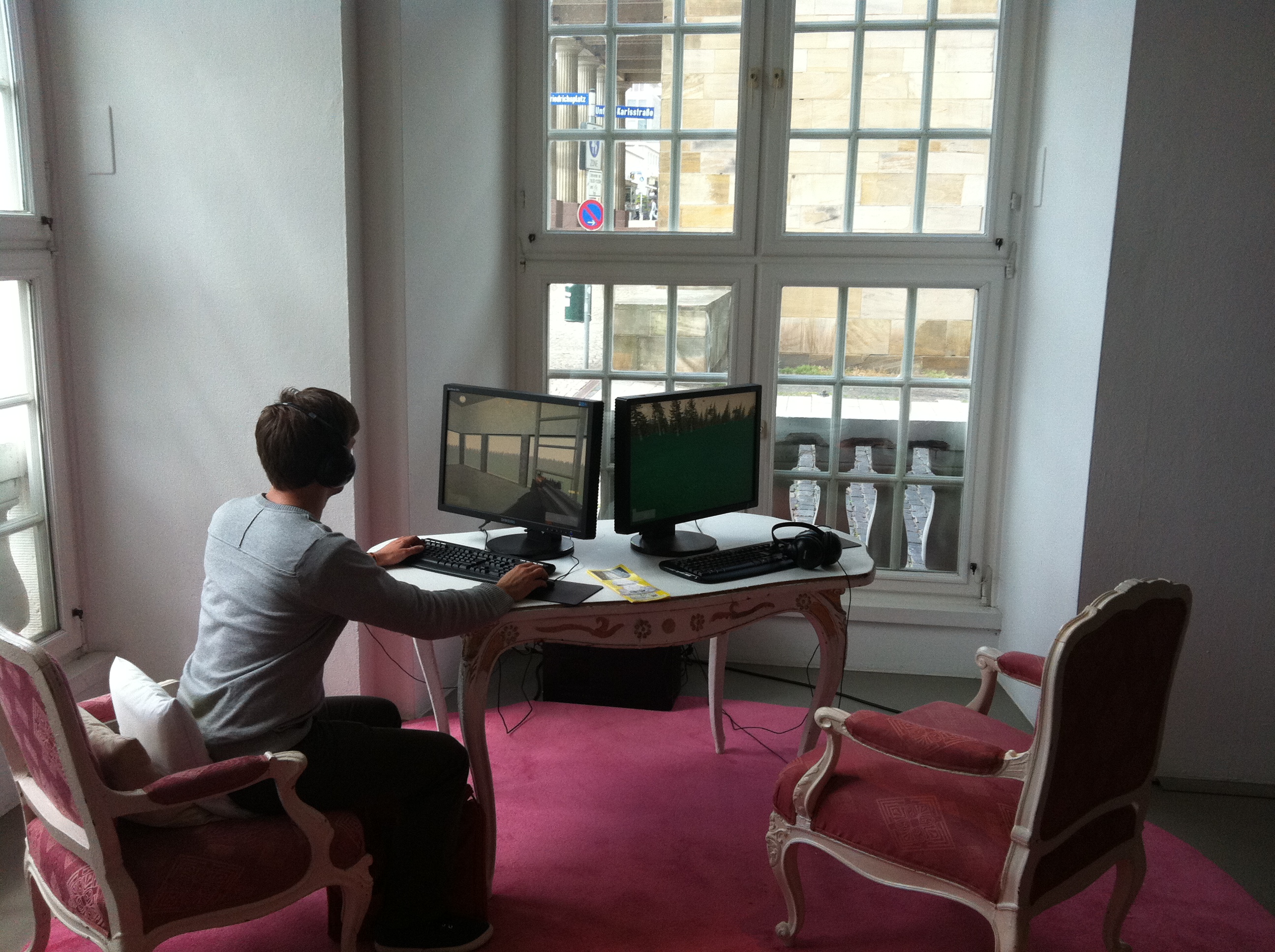
1378(km) has been displayed in renowned museums, art biennials, and academic institutions worldwide. Rather than just a playable mod, the project is recognized and analyzed internationally as an interactive work of art and a milestone in serious game design. Highlights include permanent showcases and curated exhibitions at the Zentrum für Kunst und Medien (ZKM) Karlsruhe, the Computerspiele Museum Berlin, the Nam June Paik Art Center Seoul, Harvard University, MIT GameLab, the DOX Prague, the Bundeskunsthalle Bonn, and traveling showcases by the Goethe-Institut worldwide.
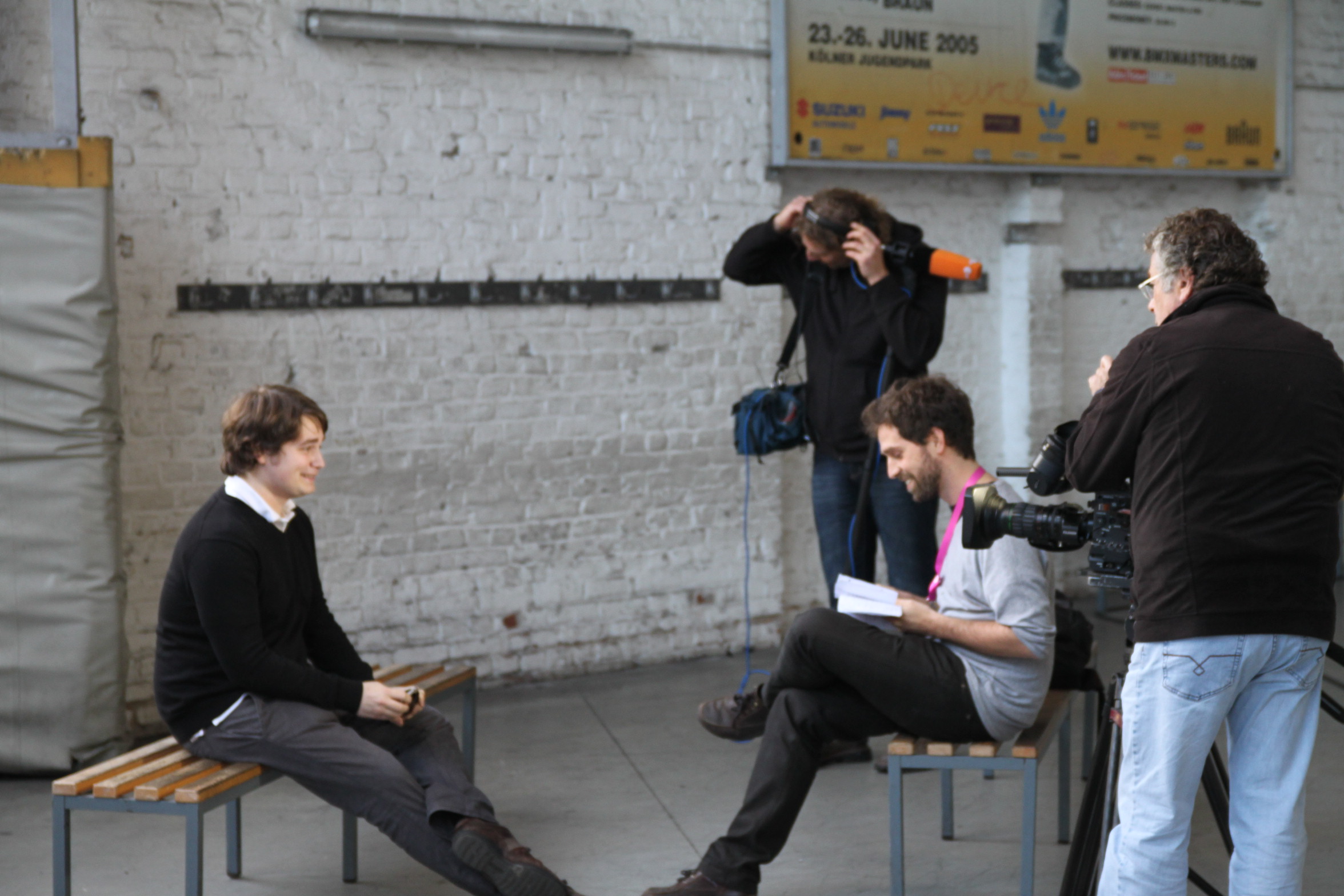
Explore the original trailers, media storm mashups, gameplay recordings, and academic conference panel discussions:
